
Air conditioning leak testingand re-gas in Bournemouth
Weak cooling, ice on pipes or a system that keeps losing performance? We find where refrigerant is escaping, repair it and recharge the system correctly, to address the cause of the refrigerant loss.
- Free site survey & quote
- Manufacturer's warranty on new equipment
- Two-person team
- Open 8am–5pm, 7 days
- Homes only
Overview
What leak testing and re-gas involves
Split air conditioning systems are sealed circuits; they don't use up refrigerant. If the charge is low, it has leaked somewhere. Leak testing finds where, repair seals it, and re-gassing restores the correct amount of refrigerant so the system performs as designed.
This service is for homeowners whose systems have lost cooling or heating capacity, show ice on pipework or the indoor coil, display low-pressure error codes, or have been re-gassed before and lost performance again.
Signs you may need it include air that's cool but not cold, longer running times, frost on the outdoor unit pipework in cooling mode, oily stains around pipe joints or the indoor unit, and a gradual rise in electricity use.
This work needs a professional. Refrigerant must be handled with the correct equipment and recovered, not vented. Simply adding gas without finding the leak means paying again when it escapes, and running low on charge in the meantime can damage the compressor.
What's at stake
What a refrigerant leak does if left alone
Even slow leaks cause real damage over time, and they never seal themselves.
Lost capacity
As charge drops, the system delivers less cooling and heating, so the room never quite gets comfortable.
Compressor strain
Low charge can cause overheating and poor lubrication of the compressor, leading to expensive failure.
Icing and water
Low refrigerant can make coils freeze, and melting ice can overflow the condensate tray.
Environmental impact
Refrigerants are greenhouse gases. Leaks should be repaired, not left to vent.
Common mistakes homeowners make
- ✕Re-gassing every year instead of finding the leak.
- ✕Assuming refrigerant is consumed like fuel: it isn't.
- ✕Ignoring oily residue at pipe joints.
- ✕Continuing to run an iced-up system.
Our process
How the job runs, step by step.
- Step 1
Performance check
We measure temperatures and look for signs of low charge.
- Step 2
Leak detection
Joints, coils and pipework are checked with electronic detection and bubble testing.
- Step 3
Repair
The leak is repaired, for example by remaking a flare joint or replacing a damaged section.
- Step 4
Pressure & vacuum
The repair is nitrogen pressure tested and the system evacuated under vacuum.
- Step 5
Recharge & test
The correct refrigerant charge is added and performance confirmed in cooling and heating.
Benefits
What you get from doing it properly.
Performance restored
With the right charge, the system cools and heats at its rated capacity again.
Safe handling
Refrigerant is recovered and charged with proper equipment, never vented.
Protects the compressor
Correct charge keeps the compressor cool and properly lubricated.
Lower bills
A correctly charged system reaches temperature faster and runs less.
Addressing the cause
Finding and repairing the leak addresses the cause rather than relying on repeated top-ups.
Peace of mind
You'll know what caused the leak and that it's been properly tested.
In detail
Refrigerant leaks explained
Refrigerants and pipework
Most current domestic systems use R32; some older systems use R410A. Each system must be charged with the refrigerant specified on its rating plate, and the correct quantity depends on the unit and the length of pipework installed.
Refrigerant travels through insulated copper pipework connected with flare or brazed joints. Most domestic leaks occur at flare joints, at service valves, or in coils damaged by corrosion or vibration.
How leaks are found
We use electronic leak detectors to trace refrigerant around joints, valves and coils, and confirm suspected leaks with bubble solution. Visible oil staining often marks a long-standing leak.
Once repaired, the circuit is pressure tested with oxygen-free nitrogen and held to prove it's sealed, then evacuated under deep vacuum to remove air and moisture before recharging.
Repair options
Leaking flare joints can usually be remade. Damaged pipe sections can be replaced. Leaks inside an indoor or outdoor coil may need the coil or unit replacing; on older systems that can make replacement the better-value option.
We'll explain what we find and give you clear choices, including honest advice where repair isn't the sensible route.
Coastal and older systems
Outdoor units close to the sea in places like Swanage, Weymouth and Christchurch can suffer corrosion on coils and fittings over time. Older systems with tired joints or poor original installation are also more prone to leaks.
We carry out leak testing and re-gas only in domestic properties across Dorset and Hampshire.
After a leak repair
Once a leak has been repaired and the system recharged, you should notice cooling and heating return to normal quickly. We'll run the system with you and explain what was found, where the leak was and what was done to fix it, so you have a clear record for the future.
To reduce the chance of another leak, keep the outdoor unit clear and stable, avoid knocking or bending external pipework, and book an annual service. During servicing we check joints and pipe insulation, so any early signs of trouble, such as oil staining or damaged lagging, are picked up before refrigerant is lost and performance drops again.
If your system has needed re-gassing before without anyone finding the cause, let us know when you call. That history helps us focus the leak search on the most likely areas, such as flare joints and service valves, and helps us plan the checks needed. We'll always explain what we find before carrying out any repair.
Where a leak is inside a coil and repair isn't practical, we'll explain the replacement options and costs clearly so you can decide what's best for your home.
Where we work
We cover homes across Dorset and Hampshire, including Bournemouth, Christchurch, Poole, Wareham, Swanage, Weymouth, Ferndown, Wimborne Minster, Ringwood, New Milton, Lymington and Dorchester. See air conditioning service areas, book a free air conditioning survey, or go back to the homepage.
Working with us
What to expect when you book leak testing & refrigerant re-gas.
South Coast Air Con Ltd operates as a two-person team specialising in domestic air conditioning. We offer free surveys and quotes for new installations, followed by installation and handover. Servicing and maintenance are available afterwards.
We arrange a time that suits you, seven days a week between 8am and 5pm, including weekends. That makes it easier to book a visit without taking time off work. Before we start, we'll walk you through what we're going to do, where we'll be working and how long it should take.
Our aim is careful workmanship suited to your home. During the survey, we discuss where equipment and pipework can go. Installation includes testing the system and explaining how to use it at handover.
Clear prices, simple payment
For new installations the site survey and quote are free, with no obligation to go ahead. We provide a written quote so you can review the proposed work and price. You can pay by bank transfer or by card through payment links from Tide or our accounting software.
Homes only, by choice
We only work in people's homes. That focus shapes everything: quiet unit choices for bedrooms, tidy pipe routes that respect how your house looks, outdoor positions that take your neighbours into account, and advice based on how families actually use their rooms.
Aftercare that continues
Air conditioning works best when it's looked after. Once your job is complete, servicing and maintenance are available. New equipment comes with the manufacturer's warranty, and we'll explain the terms for the equipment you choose.
Not sure where to start? Book a free site survey or contact us with your question.
FAQs
Leak Testing & Refrigerant Re-Gas: common questions
How much does a re-gas cost?+
It depends on finding and repairing the leak and the amount of refrigerant needed. We'll explain our findings and agree a price before work goes ahead.
How long does leak testing take?+
Timing depends on the system, access and work required. Contact us to discuss the likely duration before booking.
Can't you just top it up?+
Topping up without repairing the leak means the gas escapes again. We find and fix the leak first.
Is a leak covered by warranty?+
Within the manufacturer's warranty period some faults may be covered, depending on the cause. Check your warranty terms.
How long will the system last after a repair?+
A properly repaired, correctly charged system can continue running for many years, especially with annual servicing.
Is this an emergency service?+
We're not a 24-hour service. We're available 8am–5pm, seven days a week, on 07815 604730.
How do I know if my system has a leak?+
Weaker cooling, ice on pipes, oily stains at joints or low-pressure error codes are common signs.
Do you cover Weymouth and Swanage?+
Yes, as well as Bournemouth, Poole and across Dorset and Hampshire.
All home air conditioning services
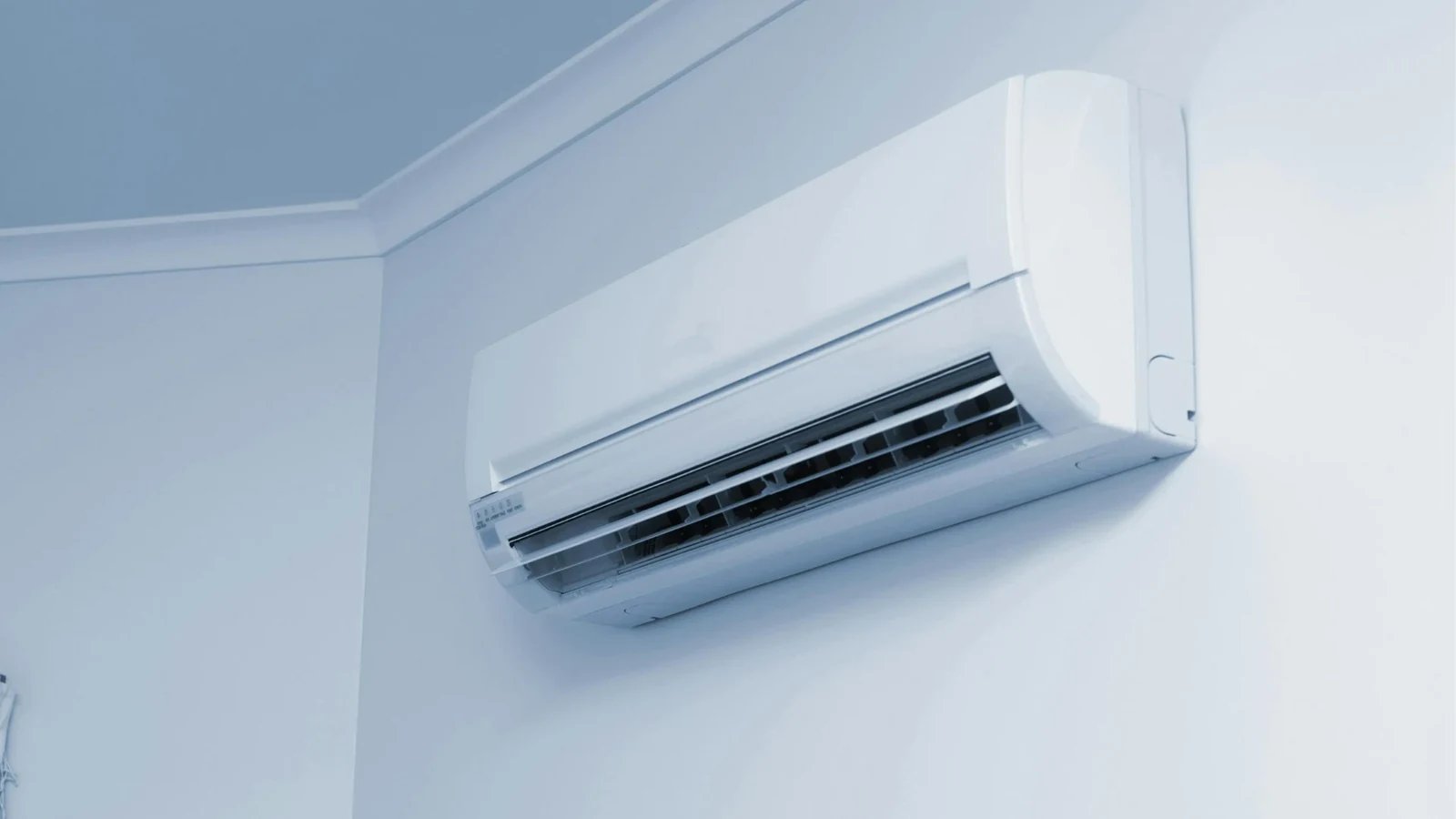
Air Conditioning Installation
Home air conditioning installation in Bournemouth, Poole and across Dorset. Single and multi-split systems, free site survey and manufacturer's warranty.
Explore service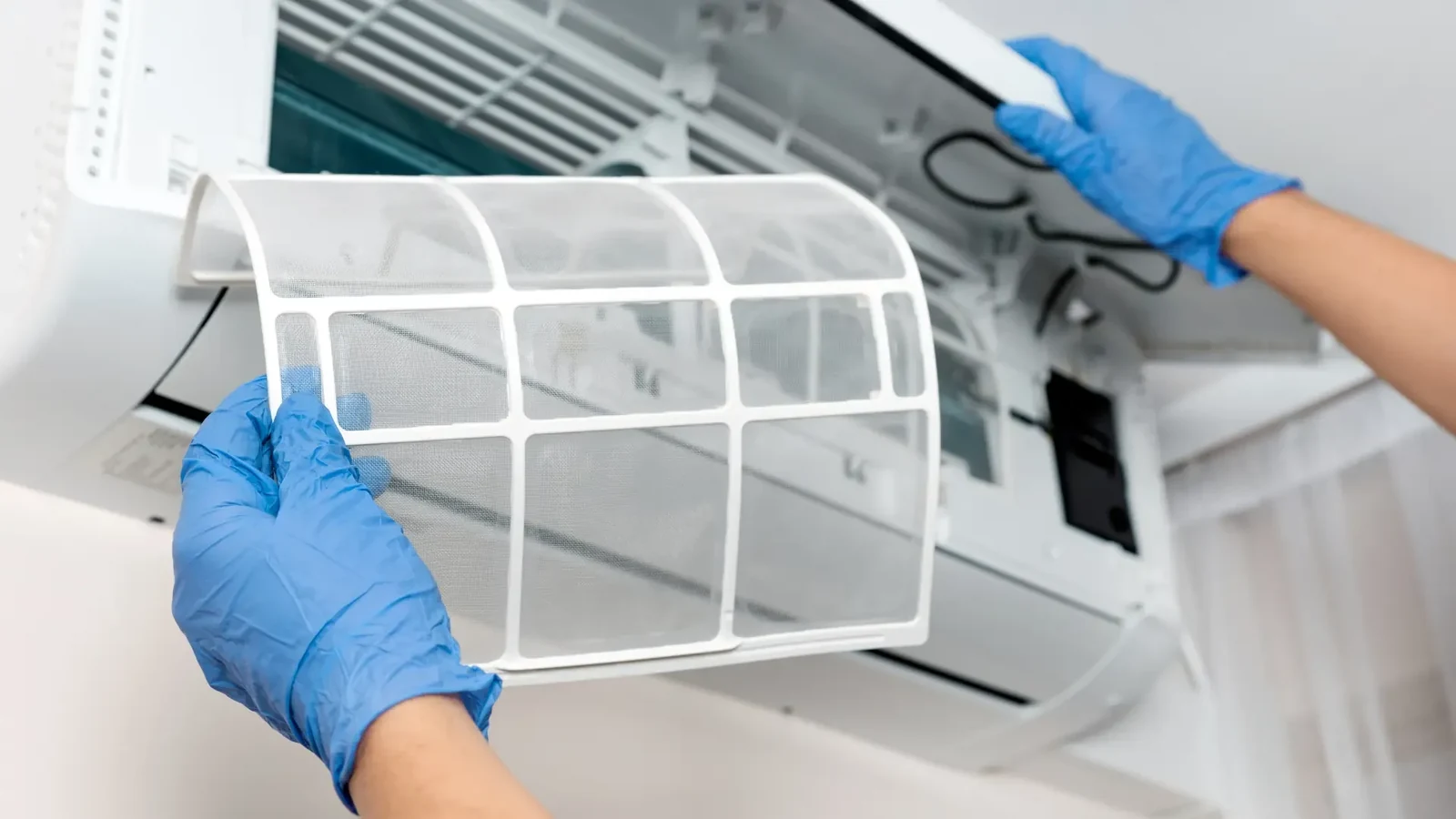
Air Conditioning Servicing
Domestic air conditioning servicing in Bournemouth, Poole and across Dorset. Filter, coil and drain cleaning plus full performance checks.
Explore service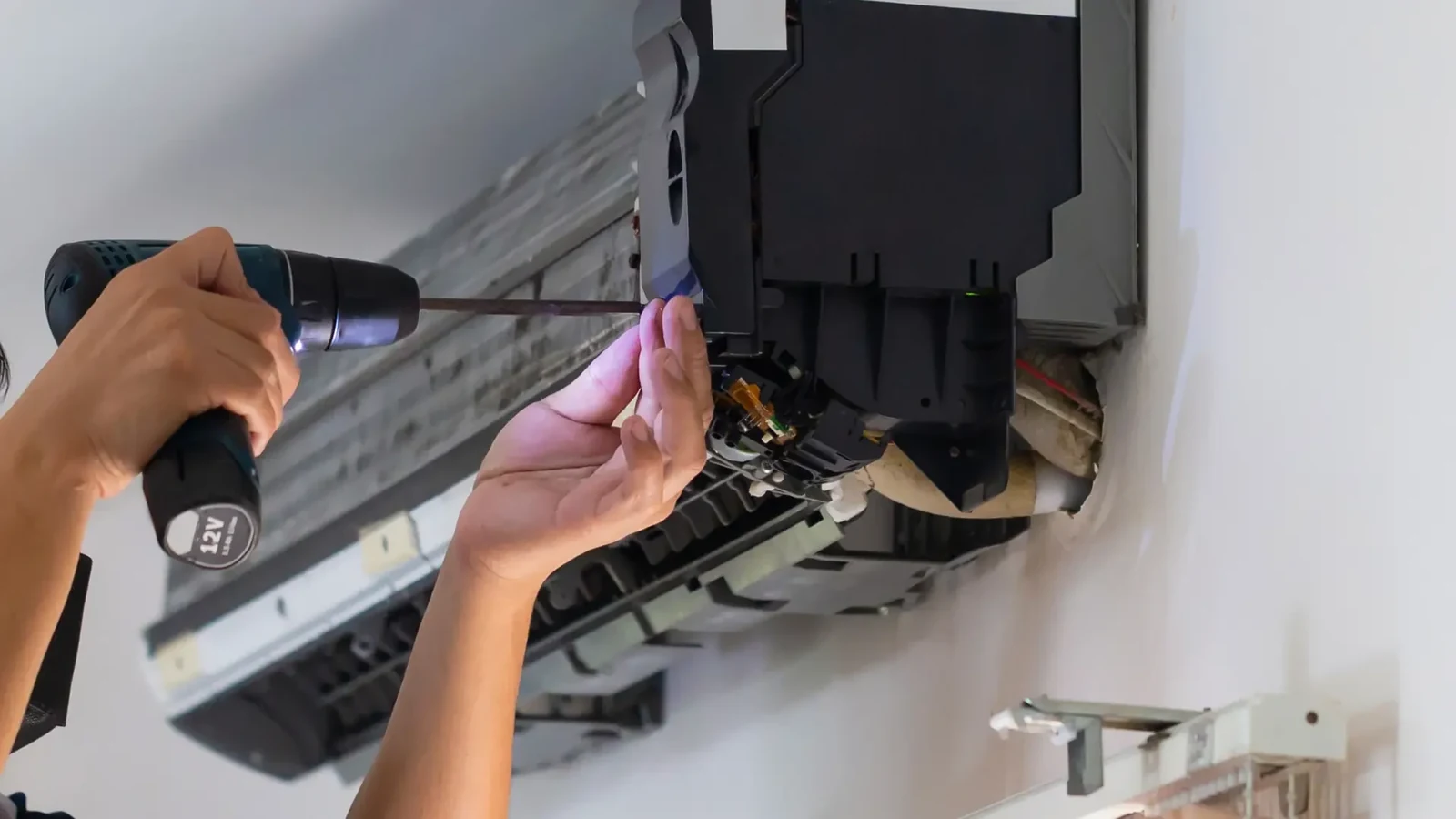
Maintenance & Aftercare
Ongoing air conditioning maintenance and aftercare for homes in Bournemouth, Poole and across Dorset & Hampshire. Keep your system efficient.
Explore service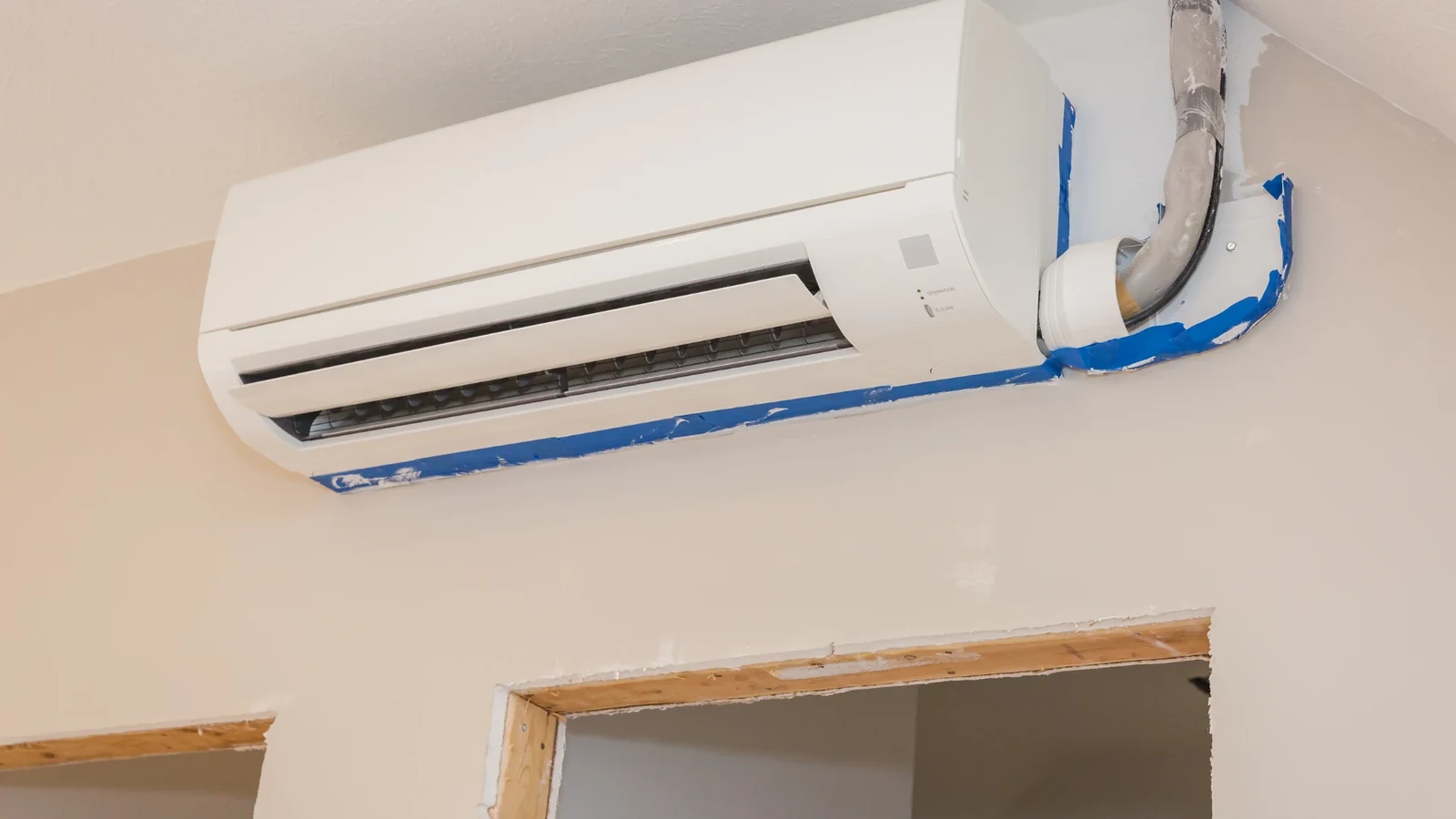
Single-Split System Installation
Single-split air conditioning installed in bedrooms, offices and living rooms across Bournemouth and Dorset. Free survey, manufacturer's warranty.
Explore service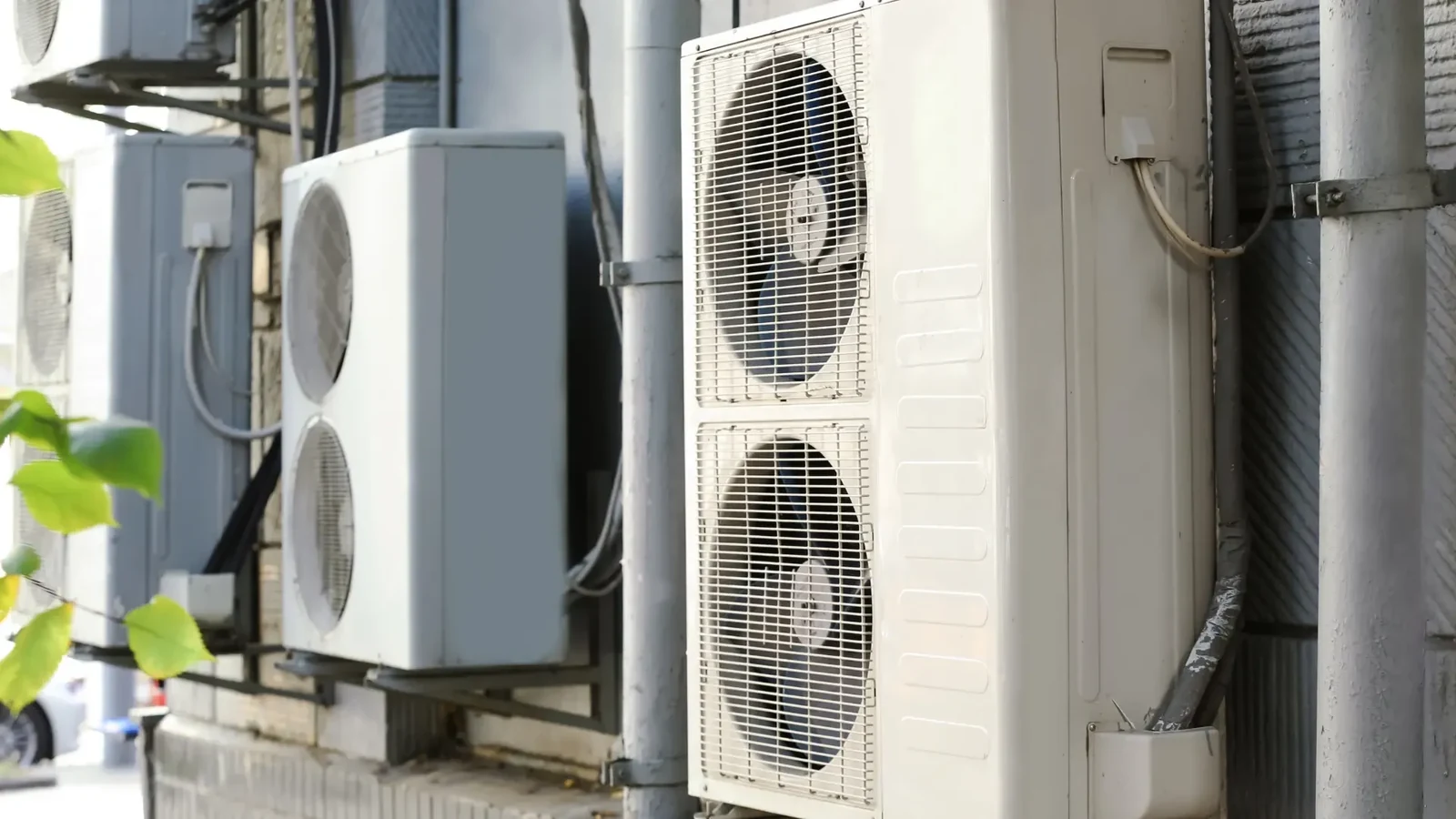
Multi-Split System Installation
Multi-split air conditioning for several rooms from one outdoor unit. Installed in homes across Bournemouth and Dorset. Free survey and quote.
Explore service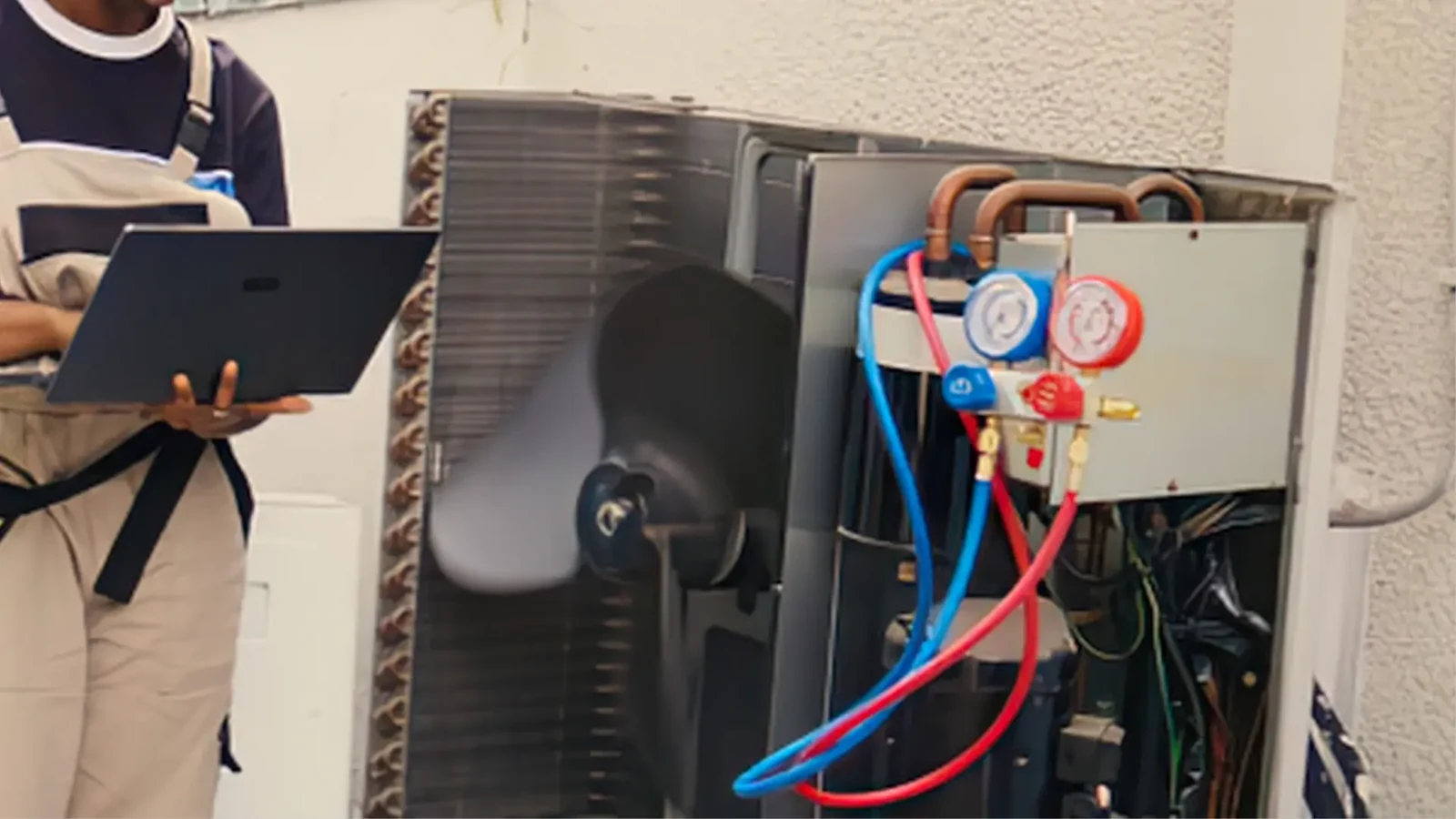
Free Site Survey & Quote
Book a free air conditioning site survey and written quote in Bournemouth, Poole and across Dorset & Hampshire. No obligation, no pressure.
Explore service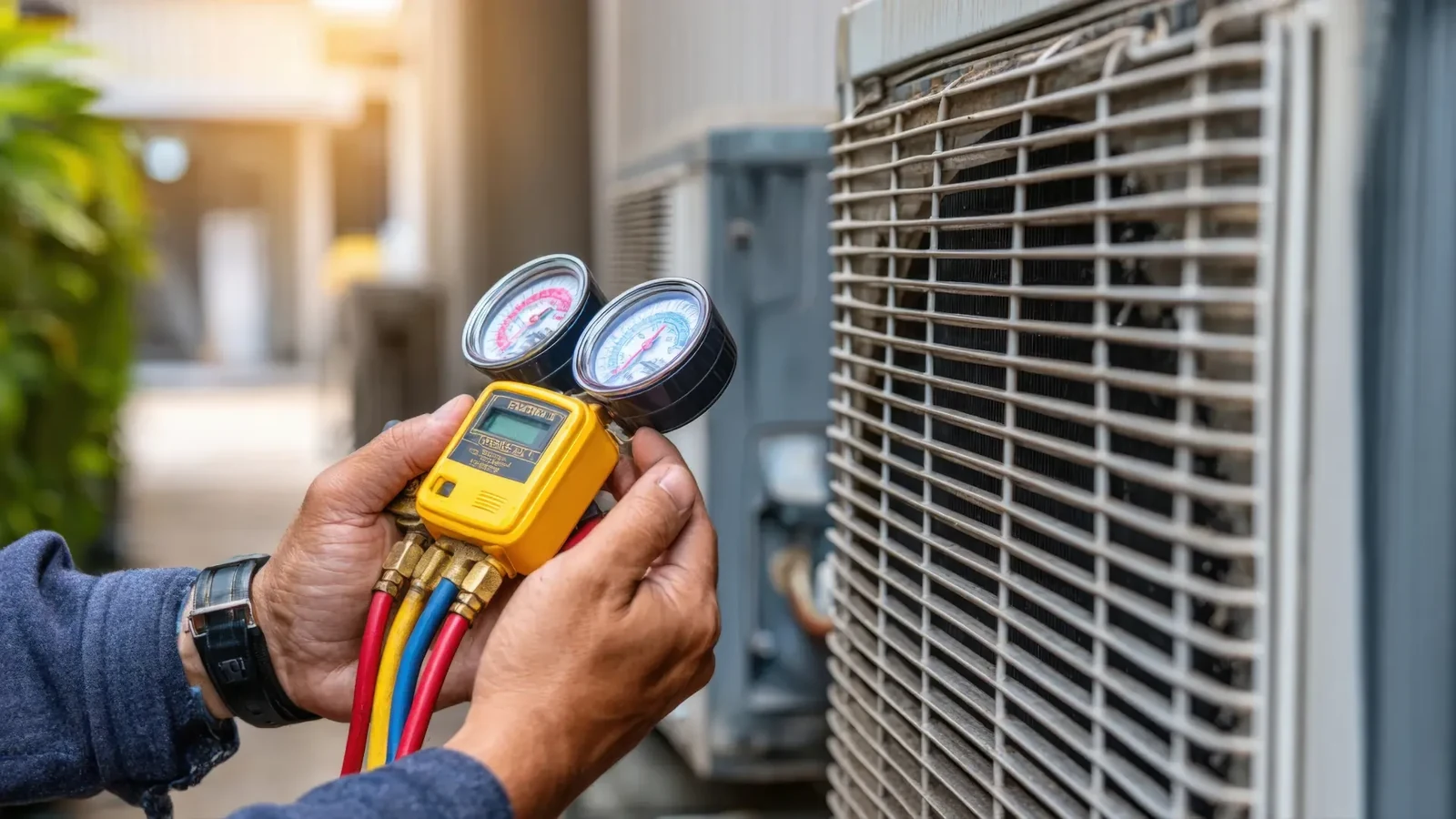
Repair & Fault Finding
Domestic air conditioning repair and fault finding in Bournemouth, Poole and across Dorset. Not cooling, leaking, noisy or showing an error? We can help.
Explore service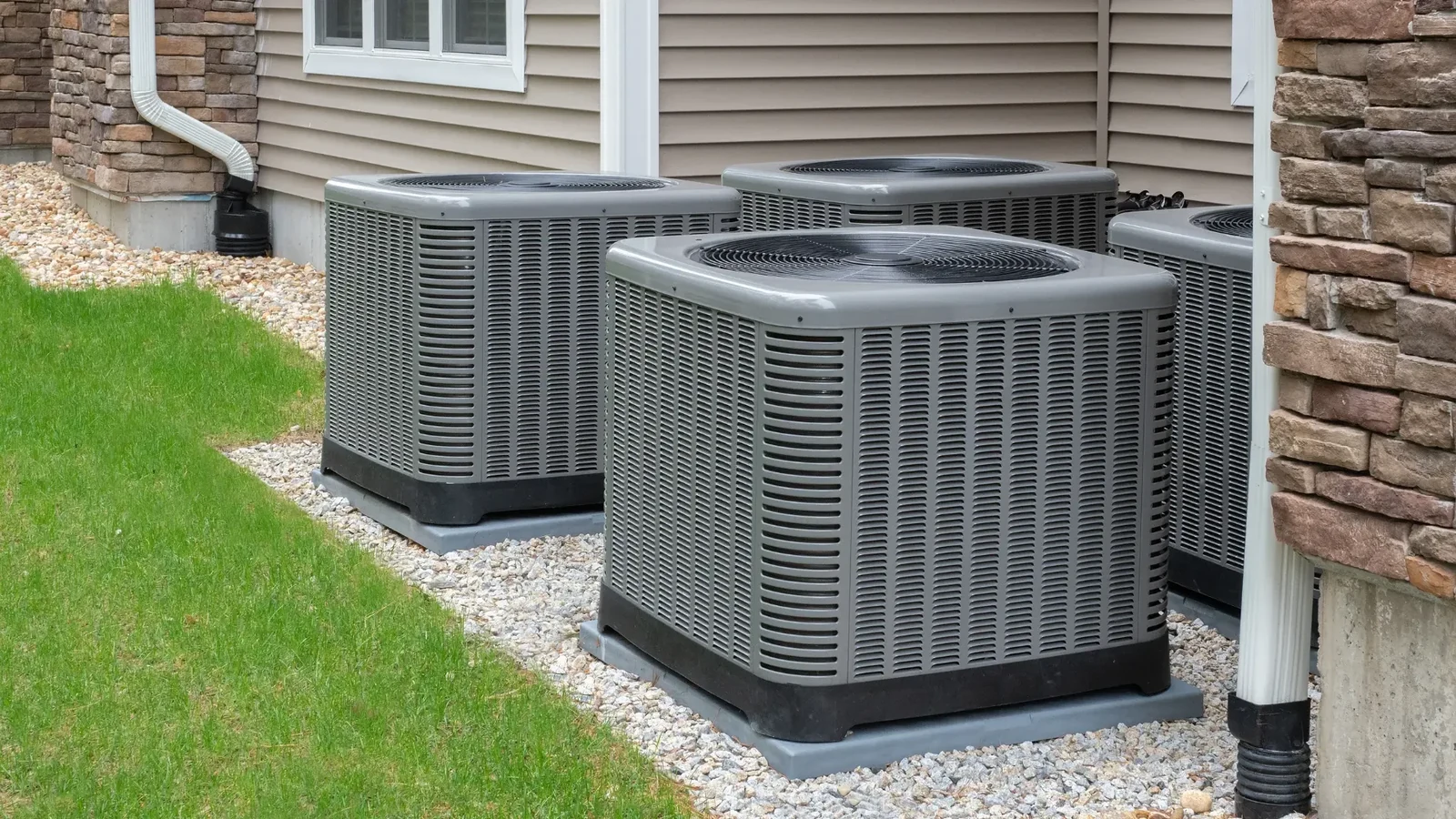
Air-to-Air Heat Pumps
Air-to-air heat pumps installed in homes across Bournemouth and Dorset. Efficient heating in winter and cooling in summer from one system.
Explore service
Bedroom & Loft Air Conditioning
Bedroom and loft conversion air conditioning in Bournemouth and Dorset. Quiet, efficient systems for better sleep. Free survey and quote.
Explore service
Conservatory, Garden Room & Home Office
Air conditioning for conservatories, garden rooms and home offices in Bournemouth and Dorset. Use the room all year round. Free survey.
Explore service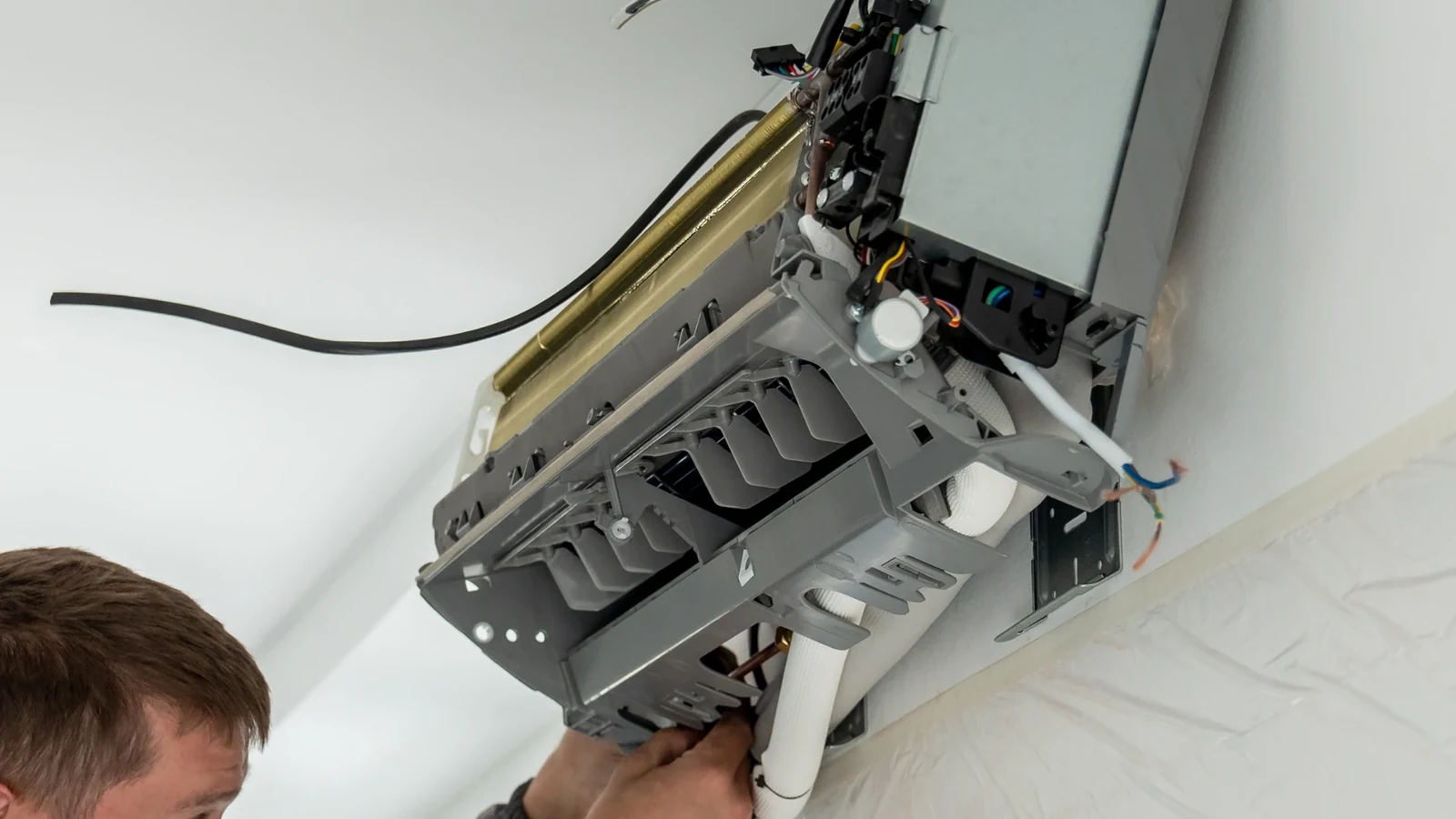
Replacement & Upgrades
Replace or upgrade an old, inefficient or failing air conditioning system in Bournemouth and Dorset. Free survey and honest advice.
Explore service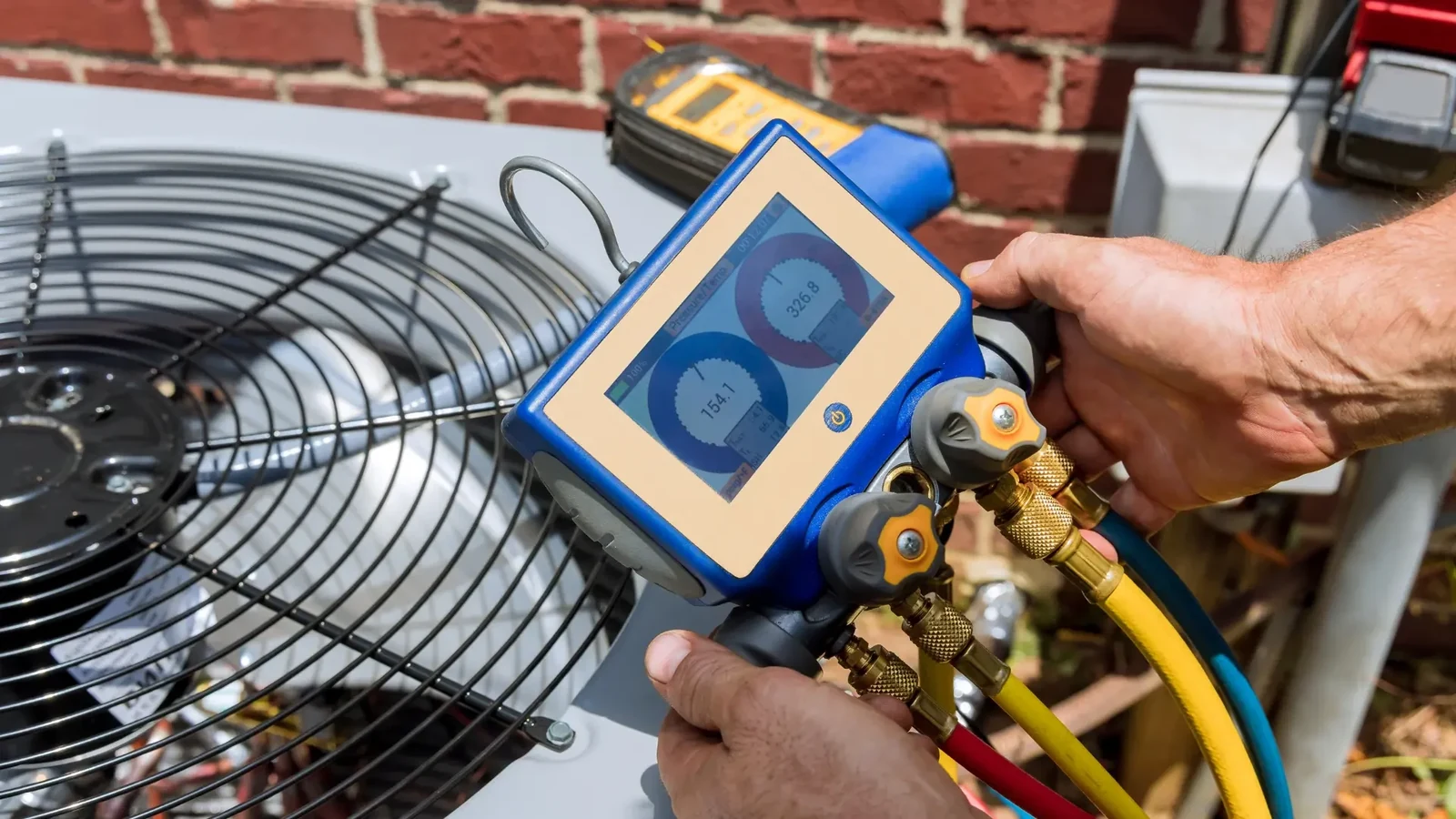
Leak Testing & Refrigerant Re-Gas
Air conditioning leak testing and refrigerant re-gas for homes in Bournemouth, Poole and across Dorset. Find the leak, fix it, restore performance.
Explore service
Stop paying for gas that leaks away.
Book a leak test and we'll find, fix and recharge your system properly.
Free survey · Manufacturer's warranty · Open 8am–5pm, 7 days